Jan 12, 2026
the architecture of a well-designed inner world
most people treat their inner world like weather. unpredictable. uncontrollable. something that just “happens” to them. but the truth is, your inner world is not a natural phenomenon. it’s architecture. it’s built. consciously or unconsciously.
and if you don’t design it with intention, it gets built out of habits, fears, and whatever life throws at you.
this year, i’ve been thinking of my inner world like a long-term construction project. something i want to build carefully, not just live in by accident.
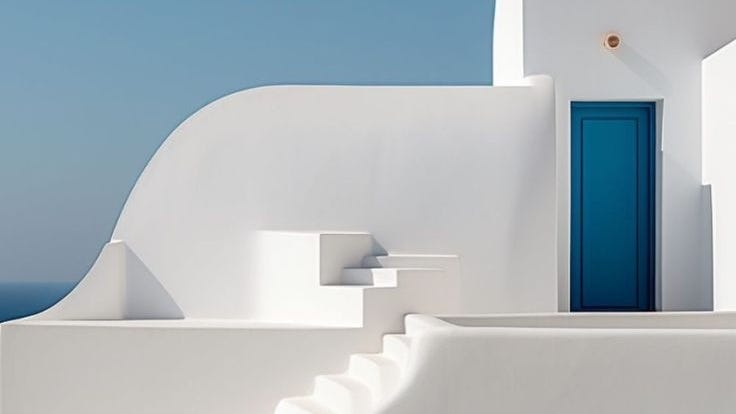
the foundation: the story you tell yourself
every structure begins with a base. for us, that base is narrative. who am i in my own story? victim, observer, participant, or builder?
most people never update their story. they carry childhood scripts into adult problems. a well-designed inner world begins with rewriting the script.
the walls: boundaries
boundaries aren’t about keeping people out. they’re about keeping yourself intact. without walls, emotions leak everywhere. you react to everything. you feel invaded by everyone. clear boundaries make your inner world livable.
the windows: perspective
two people can live the same day and interpret it differently. the difference? their windows. how clean or cracked their perspective is. reading widely, thinking independently, and reflecting often are how you polish these windows.
the rooms: mental spaces you create
a healthy inner world has rooms.
a room for ambition.
a room for rest.
a room for self-respect.
a room for grief.
a room for curiosity.
most people live in only one room. that’s why they feel trapped.
the furniture: your habits
habits decide comfort. if your habits don’t align with your goals, it’s like sitting on broken chairs and wondering why you feel restless. arranging habits well makes your inner world functional, not chaotic.
the lighting: emotional awareness
some people live under harsh, blinding emotional light. everything feels too intense. some live in darkness, unaware of what they feel. emotional regulation is the dimmer switch. learning to adjust your light changes how you see everything.
the doors: letting go
a well-designed inner world has exits. you can’t evolve if you never leave old rooms behind. letting go isn’t emotional weakness. it’s architectural necessity.
the roof: your philosophy
your core principles are the roof that protects everything else. without a long-term philosophy, even small storms shake you.
final thought
your inner world is the only home you live in forever. build it with intention. strengthen the foundation. open the windows. redesign the rooms. update the structure when life demands it.
because when the architecture inside you is solid, the outside world no longer feels like a threat. it becomes something you navigate, not something you fear.